
How to Select a Wet Drum Magnetic Separator for Magnetite Recovery
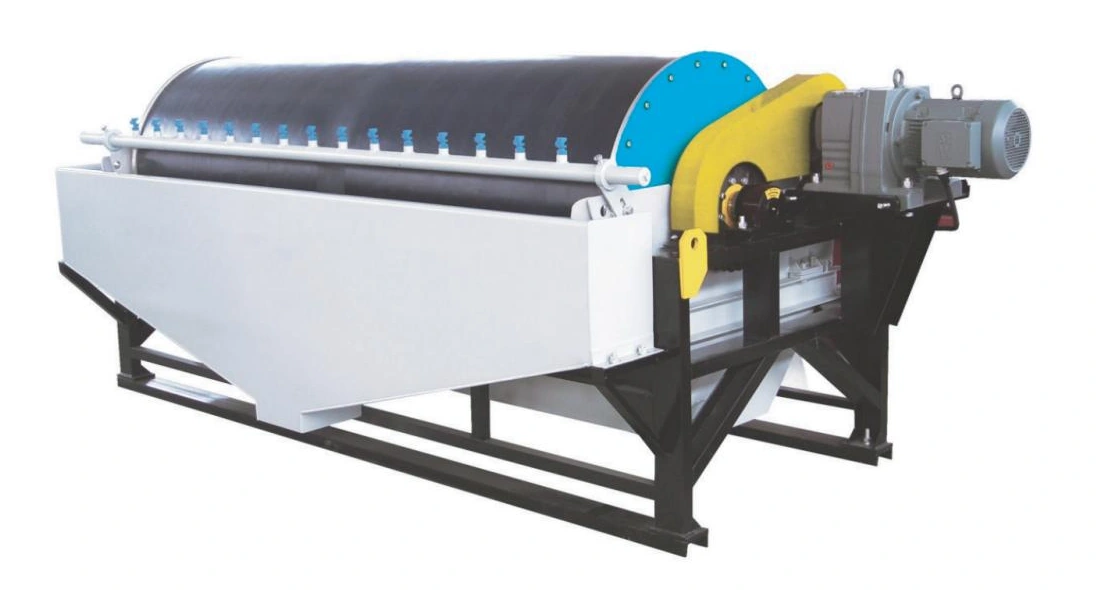
To select a wet drum magnetic separator, start with the material and the job it needs to perform. A model’s rated capacity is useful, but it cannot tell you whether the separator will suit your slurry, recover the required magnetic fraction or produce an acceptable concentrate.
Before comparing models, establish the separation duty, feed characteristics and operating conditions.
1. Define the Separation Duty
Where will the separator sit in your circuit?
A roughing stage recovers a magnetic fraction from prepared feed for further treatment. A cleaning stage treats an intermediate magnetic product to improve its quality. A scavenging stage assesses magnetic minerals remaining in another process stream.
These duties involve different priorities. A separator recovering magnetite from a large feed stream may face different loading conditions from one cleaning an existing concentrate.
Our magnetite recovery application explains how these duties fit into a mineral-processing circuit.
2. Select a Wet Drum Magnetic Separator for Your Feed
Provide representative information about:
- Mineral composition and magnetic mineral content.
- Particle-size distribution, including the coarse and fine fractions.
- Mineral liberation.
- Feed iron and silica analyses.
- The required product specification.
Liberation deserves particular attention. Magnetic separation can separate particles according to their magnetic response, but it does not grind them. Gangue locked within magnetite-bearing particles may require a different treatment approach from liberated gangue carried into the magnetic product.
An iron assay alone is therefore insufficient for equipment selection.
3. Check Both Dry Solids Throughput and Slurry Flow
A wet drum specification table may list capacity in both t/h and m³/h. These describe different loads:
| Parameter | What it describes |
|---|---|
| Dry solids throughput, t/h | The mass of dry material entering the separator per hour |
| Slurry flow, m³/h | The volume of solids and water entering per hour |
| Solids concentration | The proportion of solids in the slurry; state the measurement basis |
For example, adding water increases slurry volume without necessarily increasing dry solids throughput. Two feeds carrying the same dry tonnage can therefore impose different hydraulic loads.
Supply all three values when requesting a recommendation. Treat brochure capacities as reference ranges, rather than guaranteed results for every ore.
4. Review the Drum, Tank and Magnetic Circuit Together
Drum dimensions are only part of the selection.
The tank arrangement affects how slurry passes through the separation zone. The magnetic circuit affects how suitable particles are retained. Both need to match the feed and the intended separation duty.
The Sortek brochure lists CTB reference models and notes the availability of CTS and CTN options. Confirm the proposed tank arrangement and its suitability instead of choosing from the model designation alone.
The brochure also describes magnetic intensity options. A higher field value by itself does not establish the best separation result. Ask where the field is measured and how the proposed configuration relates to your material.
See our Wet Drum Magnetic Separator page for reference specifications and construction options.
5. Assess Recovery Alongside Concentrate Quality
A higher concentrate grade is not enough to demonstrate a better operating result.
Use representative feed and evaluate both the magnetic and non-magnetic streams. Compare product assays, mass yield, magnetic mineral losses and throughput using a consistent mass balance.
If an existing concentrate needs further cleaning, investigate the source of contamination first. The magnetite concentrate upgrading application explains why liberated gangue carryover and locked mineral particles need different consideration.
What Should You Send for a Recommendation?
When you select a wet drum magnetic separator, prepare your current flowsheet, proposed separation duty, feed analyses, particle-size information, dry solids throughput, slurry flow and solids concentration. Include available test results, product targets, water and power conditions, and installation constraints.
Sortek manufactures magnetic separation equipment in China. Discuss your application with our team to review the technical basis for equipment selection and quotation.