
How to Reduce Silica in Magnetite Concentrate
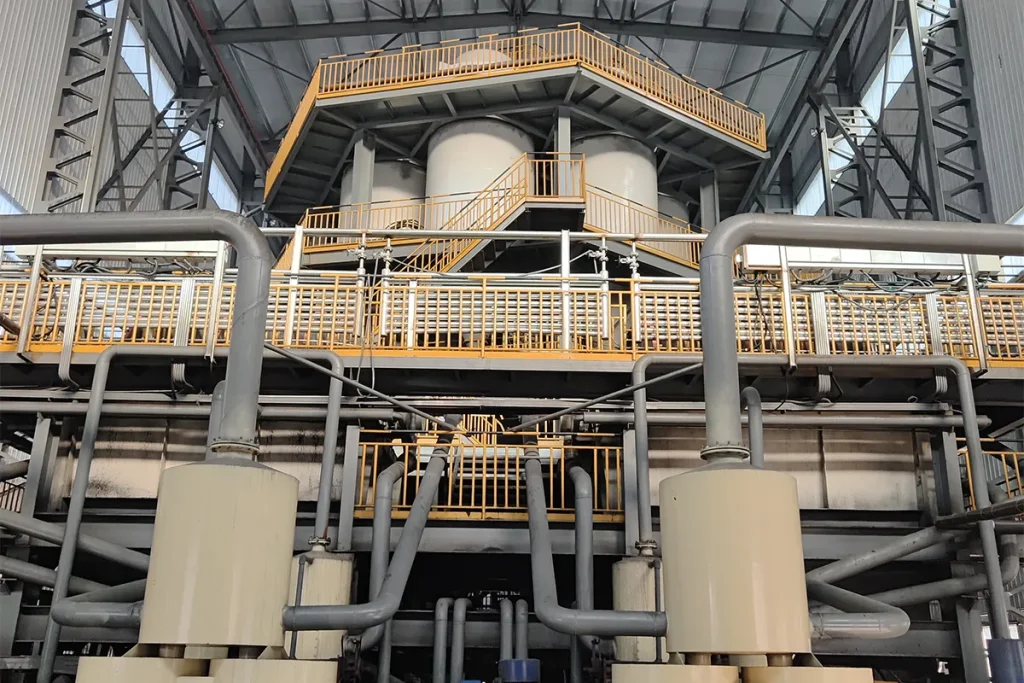
Reducing silica in magnetite concentrate requires a treatment route matched to the problem, followed by tests that check both concentrate quality and iron recovery. This guide covers the practical sequence: establish a baseline, select a treatment option, compare results and confirm plant requirements.
Still unsure why silica is high? Start with our diagnostic checklist for high silica in magnetite concentrate. It covers mineral locking, gangue carryover and operating changes. The steps below assume that investigation has identified a likely cause.
1. Define the product target and the baseline
Agree on the required concentrate Fe and maximum SiO₂, the iron recovery you need to retain, and the dry solids throughput. Record current performance before changing the circuit. A lower silica result is useful only if the resulting recovery, capacity and operating requirements are acceptable.
Use representative feed and a consistent sampling and assay basis. Include the current flowsheet, particle-size and liberation results, slurry concentration and water conditions. Our magnetite concentrate testing checklist explains which information to prepare.
2. Match the treatment route to the confirmed problem
If operating instability is the main issue
First compare the existing circuit with its intended operating duty and previous stable operation. Investigate feed distribution, solids throughput, slurry flow and water supply with the plant team. Trial one planned change at a time and allow conditions to stabilise before sampling. Do not select a universal water rate or magnetic-field setting from another plant.
If silica remains locked with magnetite
Use mineralogical evidence to design a comparative grinding trial. Compare the existing grind with a proposed alternative under comparable downstream separation conditions. Additional grinding is worth pursuing only if the improvement in separation justifies its effect on recovery, energy use and downstream handling.
If liberated gangue remains in the concentrate
Evaluate additional concentrate cleaning. An elutriation magnetic separator combines controlled magnetic fields, gravity and upward wash water, making it an option to test for suitable magnetite-cleaning duties. It does not grind locked particles or chemically dissolve silica.
Where magnetic cleaning does not meet the agreed specification, discuss alternative or combined routes, including flotation, with a qualified process team. Select the route from comparative results for the actual ore, rather than assuming one technology can replace another.
3. Compare each option against the same reference
Plan a baseline run and candidate treatment runs using representative material. Keep feed preparation, sampling methods and assay reporting consistent. If several feed types matter commercially, include them in the programme instead of selecting only the easiest sample.
Record each change and its operating conditions. Repeating a promising run helps establish whether the result is reproducible. If feed characteristics or several settings change together, explain that limitation before attributing the improvement to a particular adjustment.
4. Verify silica reduction with a material balance
Ask for results for feed, concentrate and reject streams, with all relevant circulating streams accounted for. Review these measures together:
- Concentrate quality: Fe and SiO₂ on the agreed reporting basis.
- Mass yield: how much dry feed becomes concentrate.
- Iron recovery: how much feed iron reports to the concentrate.
- Reject losses: iron leaving with the rejected material.
- Operating requirements: throughput, water demand and the conditions used.
For a simple two-product test, iron recovery is concentrate dry mass multiplied by its Fe fraction, divided by feed dry mass multiplied by its Fe fraction. Use representative masses and assays from the same test. A circuit with recycle streams needs a balance around clearly defined boundaries.
Reject a conclusion based only on a lower SiO₂ number. It may conceal excessive loss of useful magnetic material or a reduction in throughput.
5. Check whether the result can fit the plant
Before selecting equipment, review installation height, water flow and pressure, water quality, electrical and control interfaces, and downstream dewatering. Establish how overflow, concentrate and any recycle streams connect to the existing process.
A laboratory result is a basis for further evaluation, not a guarantee of plant performance. Agree on the scale and scope of any further trials, the feed range to be treated and the acceptance criteria before committing to a configuration.
6. Build a recommendation from the verified result
Summarise the selected route, the evidence supporting it, feed variability and unresolved questions. There is no single silica reduction or iron-grade increase that applies to every magnetite ore.
For magnetite concentrate upgrading, send Sortek your baseline assays, target specification, throughput, flowsheet and available test reports. Discuss a test-supported equipment recommendation.